
There are various methods of reducing carbon dioxide – right from planting trees to carbon capture technologies. However, the best way to do it is by planting trees as they have multiple benefits apart from acting as carbon sinks – they absorb direct sunlight and reduce surface temperature, increase water retention . They can revive the environment and ecology of the entire region.
We have planted more than 50,000 saplings and successfully grown them to large trees. Yes another 1,000 saplings did not survive. Nevertheless our success ratio is much higher due to the techniques used by us – for growing and protecting the trees in initial periods.
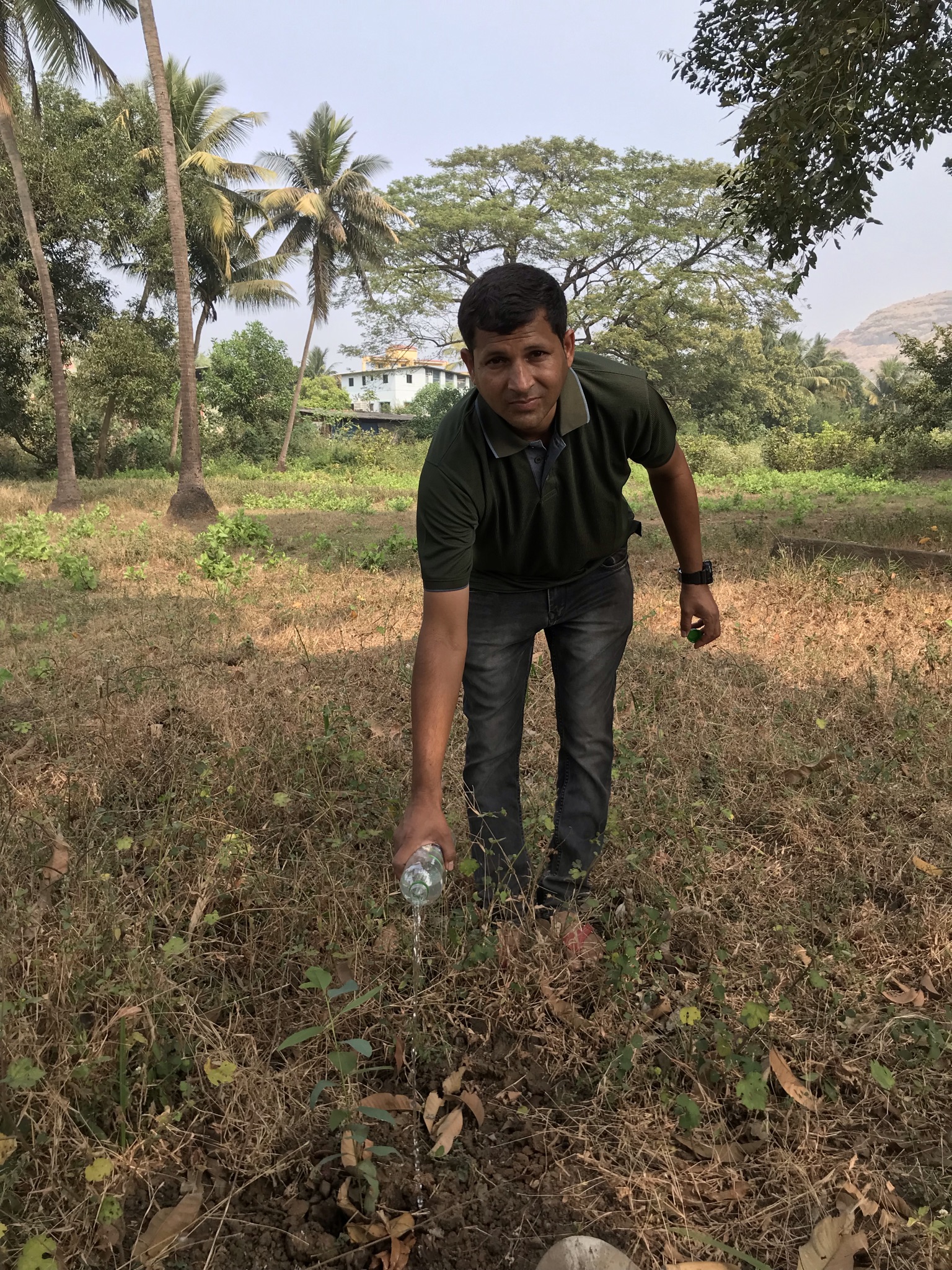
We have developed new mythologies adapted to diverse wastelands – from dry to waterlogged areas, from rocky to salty soils and in hilly areas and plains.
Training and consultation workshops.
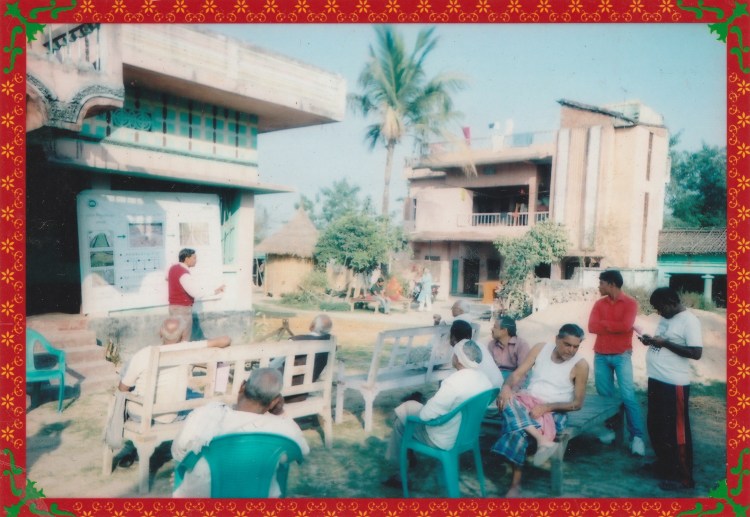
We have conducted more than a 100 workshops to train the farmers on the process to grow trees/ shrubs through a mix of bio-drainage and surface drainage techniques so that the wastelands not used for very long periods can be used for growing the trees and shrubs and in the process sequester carbon.

Trees and other biomass grown are used to replace fossil fuels in small industries and in small biomass based power plants which electrify villages.
The shrubs are leguminous and can replace fertilisers in agriculture.
Farming techniques devised at our demonstration sites:
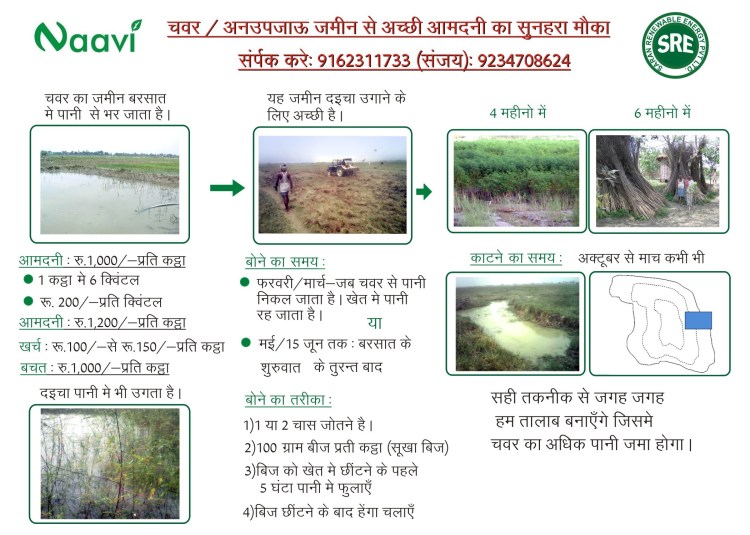
Explained in simple native language
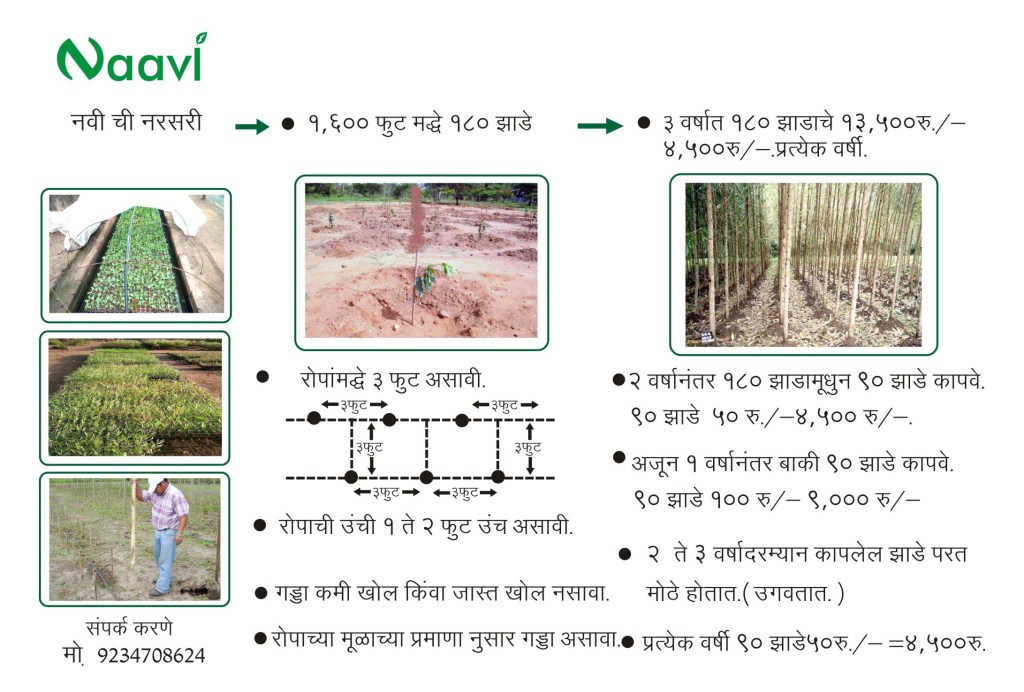
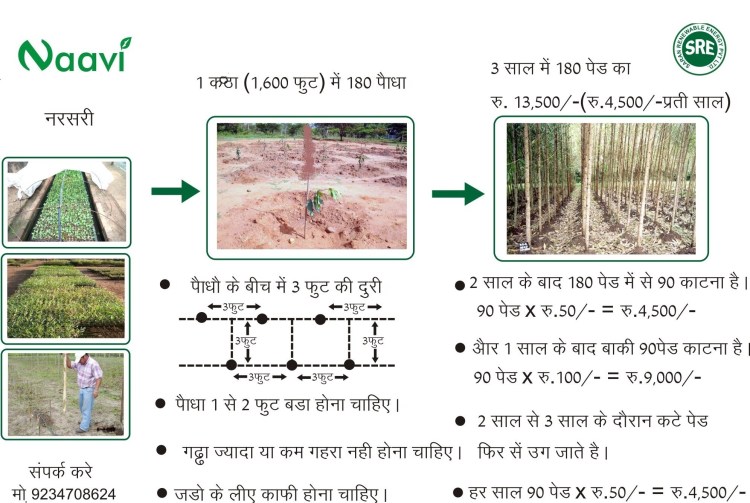
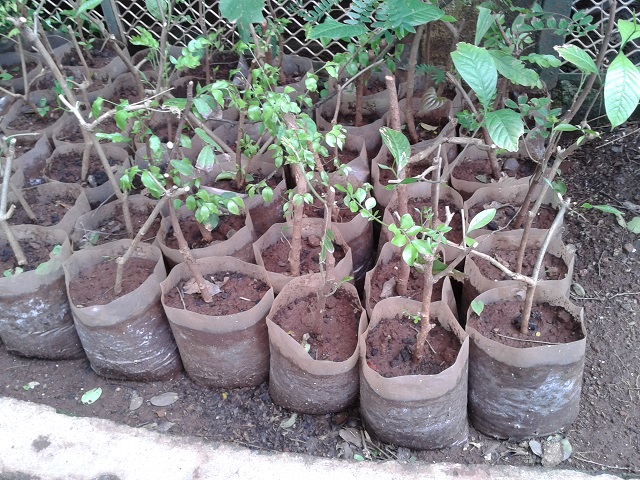
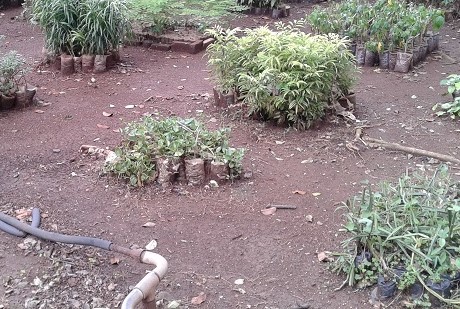
Saplings being grown in nurseries:
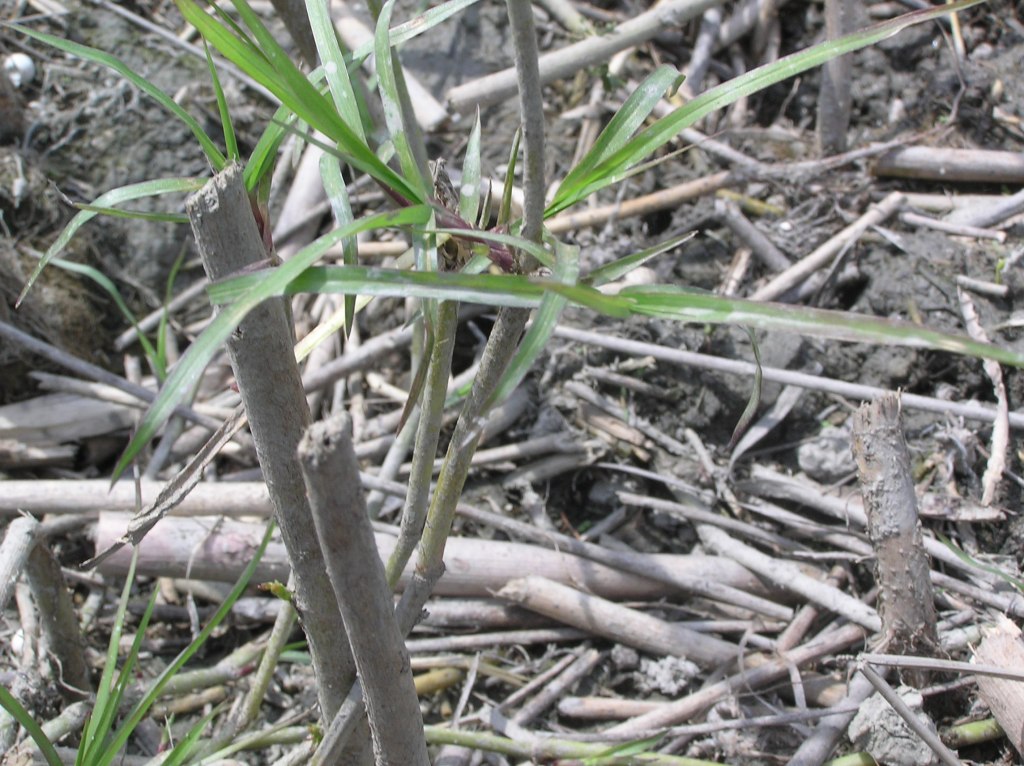
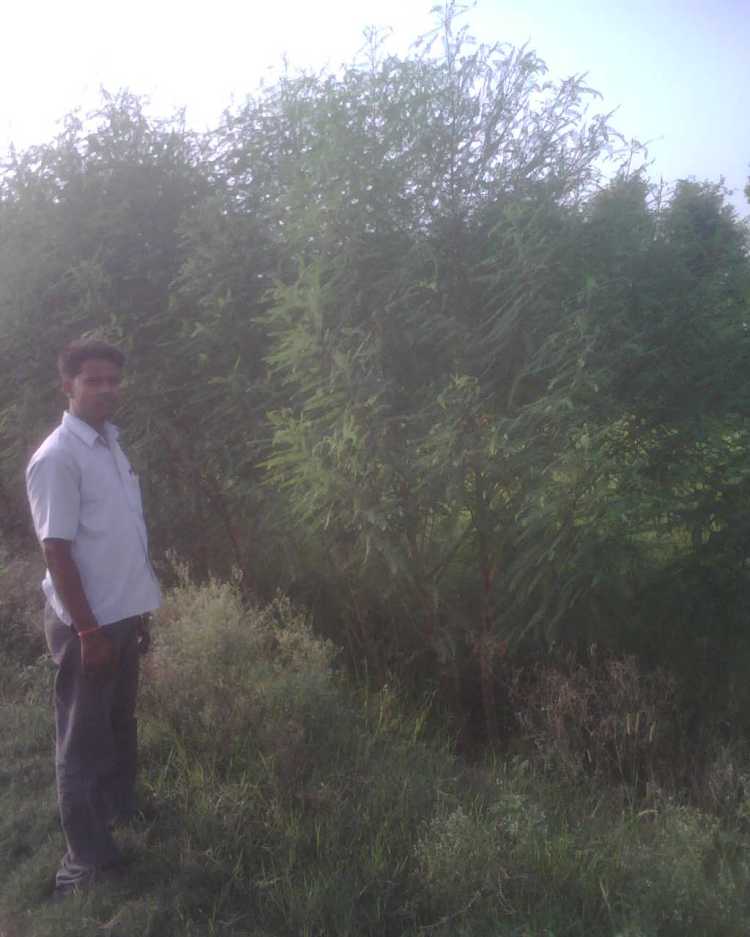
Dhaincha growth:
 Naavi Welfare Foundation