
Rural projects – Our Key projects in Rural areas are:
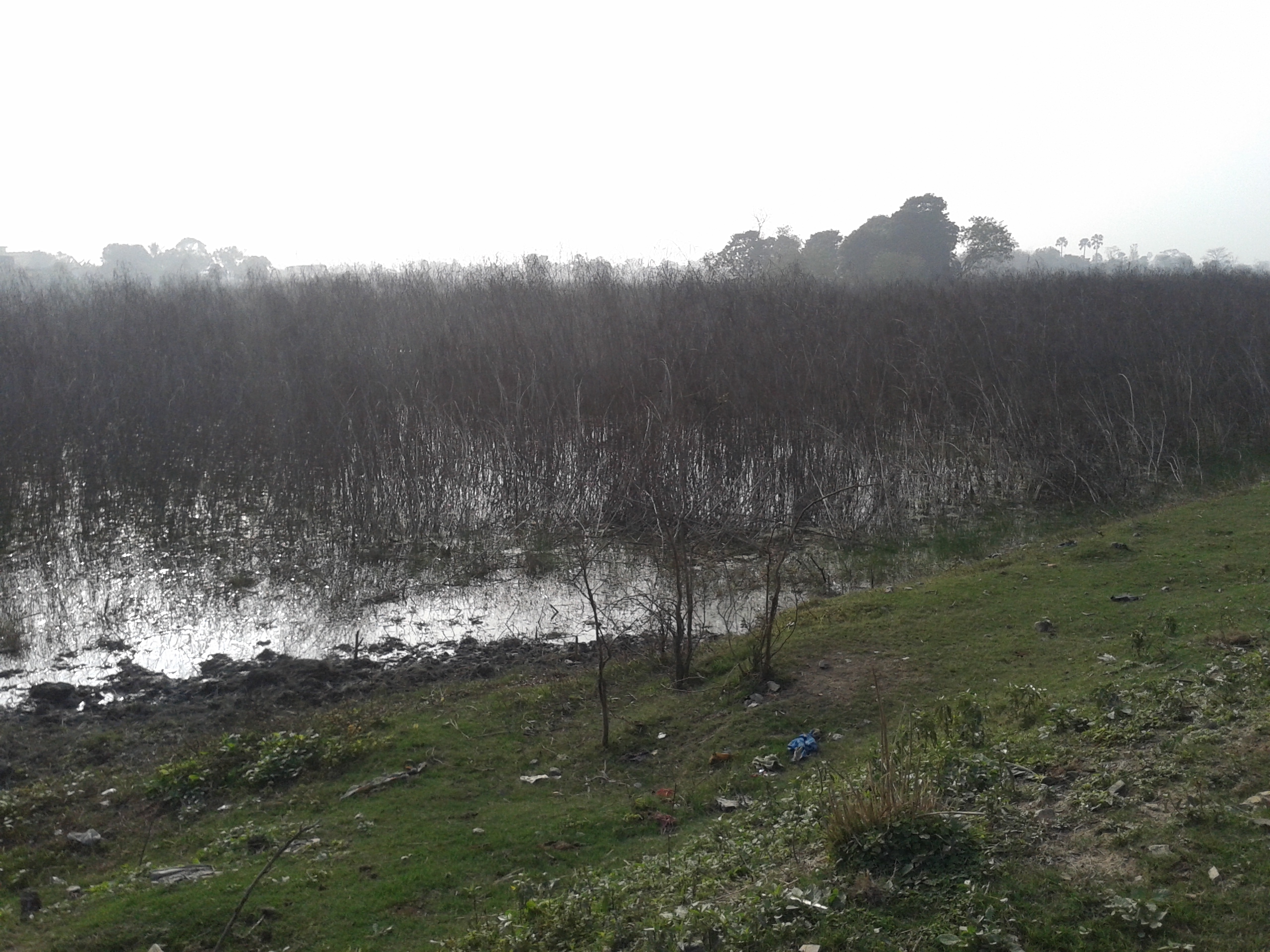
1. Integrated flood resilience – in Eastern parts of India – Bihar and Assam
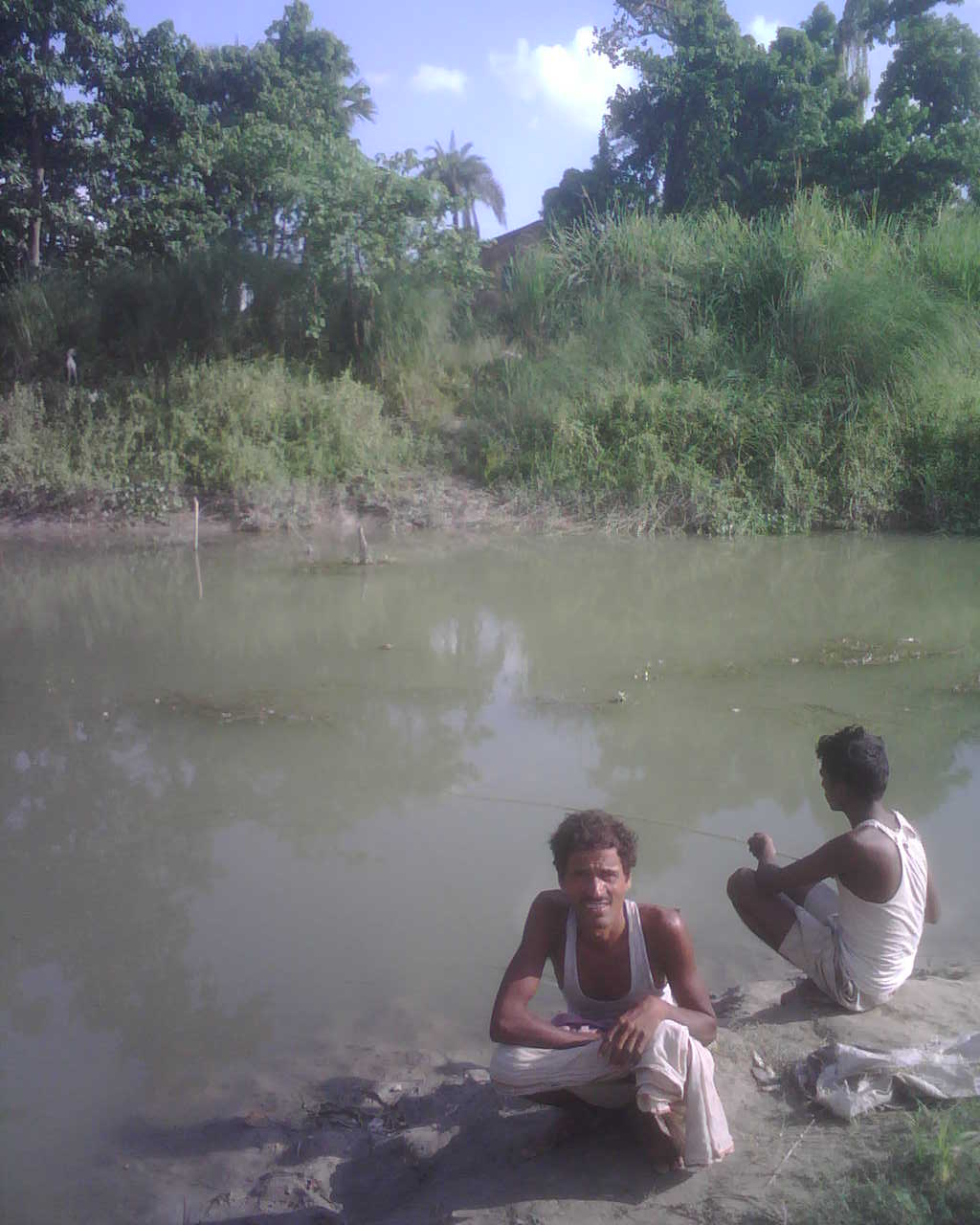
2. Inland fisheries – Alternate livelihood for marine fishermen in Maharashtra
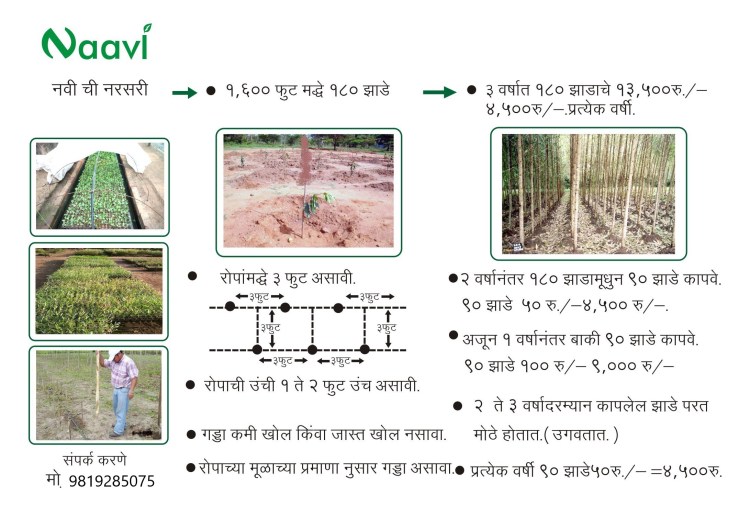
3. Forestation – of wastelands / Wasteland reclamation in Maharashtra and Bihar
4. Rural Clean Energy – for electricity and heat
5. “Build a Well”
- Integrated flood resilience
Bihar and Assam are the most flood prone states of India. The problem is recurring and no permanent solution has been found because all the solutions (embankments) have been to control the river waters. Not only have these solutions failed but have aggravated the problems.
We have devised a different approach to dealing with this problem. We developed a simple but effective plan to use the water to our advantage. We studied the dynamics of flood plains and how they have evolved over the centuries. Flooding of rivers is an important part of the ecosystem of the river basins. During monsoons, the excess run off water leads to the rivers overflowing and the waters flooding the nearby plains. The rivers carry large amount of silt which also moves along with the flood waters and gets deposited on the plains when the flood waters recede.
Current solution: Embankments – banks of rivers were raised to prevent the river water from overflowing flooding the plains. In the initial years this helped and more and more river embankments were built. Over the years silt got deposited on the river beds instead of the flood plains as the flood water remained in the rivers due to the embankments. Due to this the level of river beds started to rise and so the effective height of the embankments reduced. Consequently the flood waters have begun to flow over the embankments. Many times the embankments have been breached by the force of the river water. In response the embankments have been raised further but that has only led to more breaches and even more severe floods. Cause of the problem was not the excess water but the excess silt which was inevitable.
The solution: Should we manage the silt or the water? Our plan is to do both – but in harmony with the river and not to control it as the river cannot be controlled !! We have realised this the hard way.
We have outlined the different approaches and how our method is more effective. Manage silt in the rivers – This is a rather difficult approach as it requires – to remove silt by dredging which is very expensive and also ineffective as the silt gets deposited again in a few years.
Allow silt to come out of rivers along with the flood waters. We have to allow the water to overflow to the flood plains and in the process remove excess silt from rivers. This is not possible as the embankments have already been built and allowing river water to flow over the embankments will lead to more severe floods (which is currently happening).
2. Inland fisheries as alternate livelihood for marine fishermen
Urbanisation of coastal regions coupled with climate change has led to decline in marine fishing leading to loss of livelihood for marine fishermen.
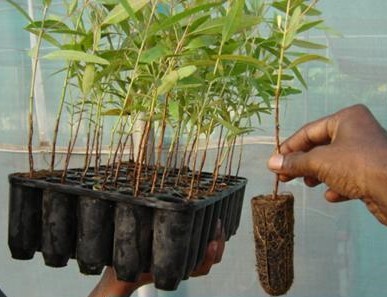
3. Forestation of wastelands / Wasteland reclamation in Maharashtra and Bihar
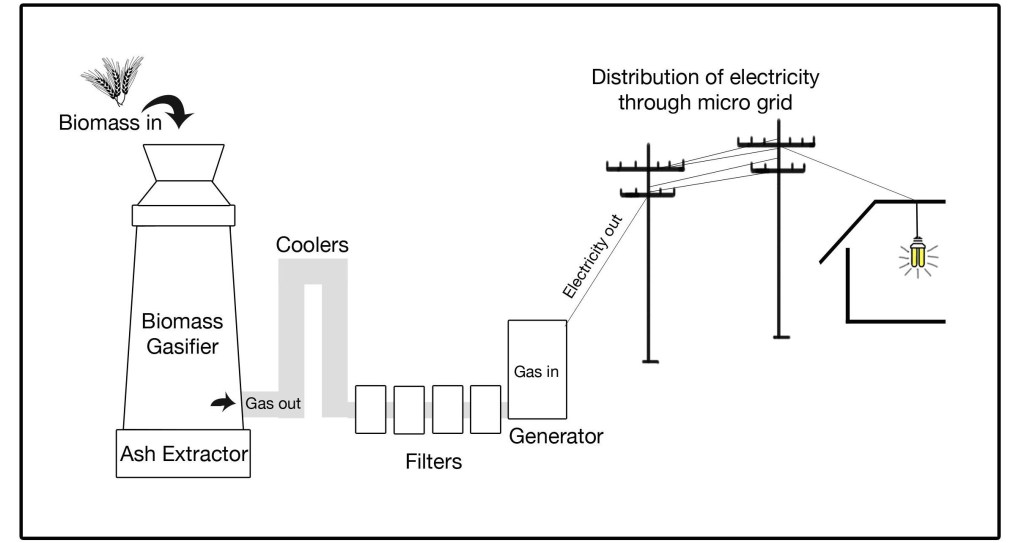
4. Rural clean energy – electricity and heating
3. “Build a well”
Western ghats in Maharashtra have excess water during monsoons but are equally dry once the rains are over. In the summer months most areas lack even drinking water. Due to the hilly terrain most of the rain water runs off.
We are building wells to provide water throughout the year. Wells recharge ground water and over time can help in raising the depleting ground water.
Currently we are building wells in Raigarh and at following locations:
- Aware
- Govthane
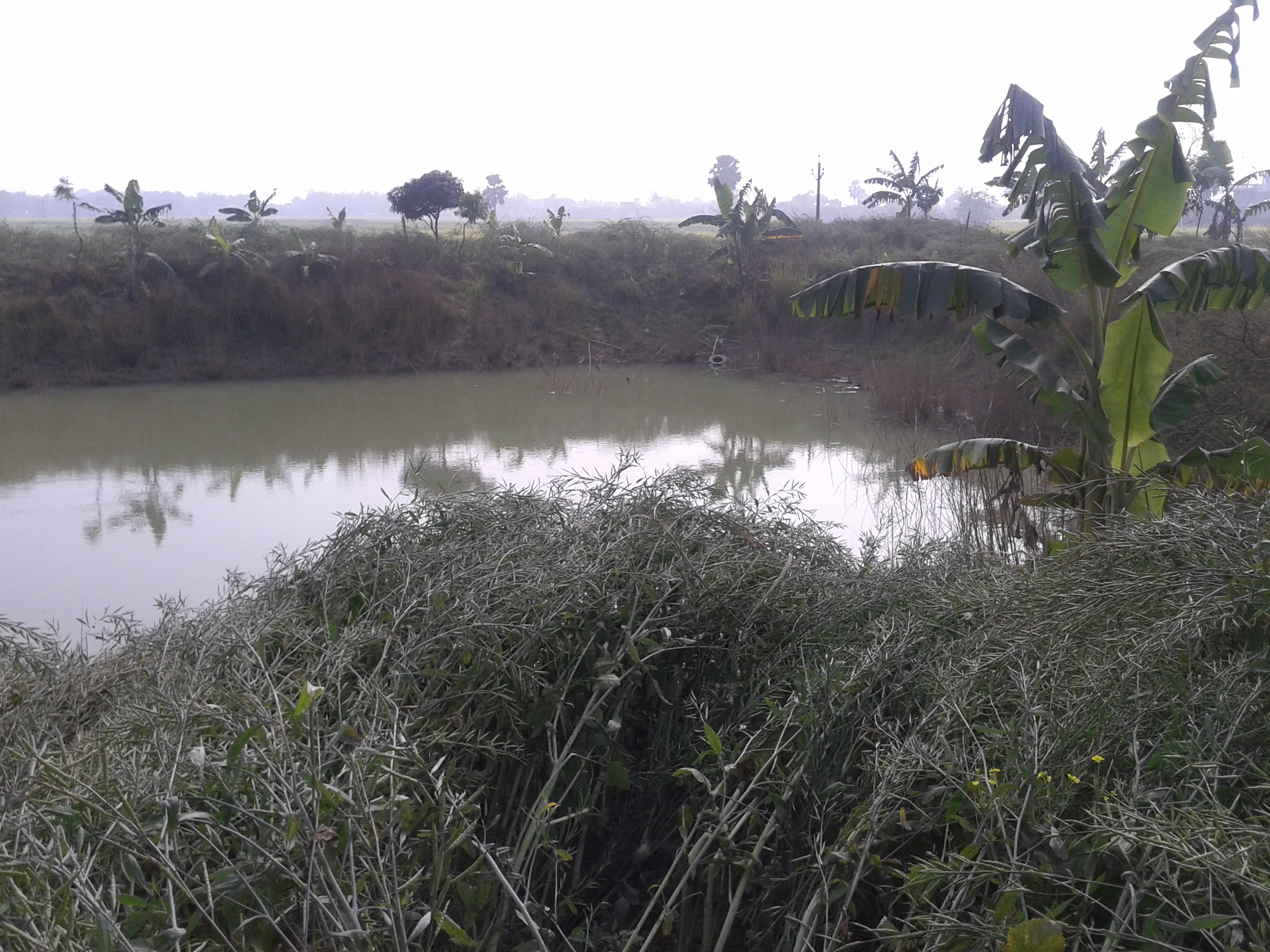
We also help farmers to build ponds which can be used for fish farming, provide water for farming and help recharge ground water. It develops a sustainable farm
Urban/ Semi-urban projects
- Rain water harvesting – “Sanchay”
Water scarcity in urban areas is going to be a big challenge in the near future. An easy solution is rain water harvesting which reduces water consumption in the monsoon months and the water saved can be used in the dry months. It cannot get simpler than this!! But still such systems are not being installed – Why? In our interaction with city dwellers and housing societies we found the following reasons why Rain Water Harvesting systems are not being installed:
- There is no space for such systems in urban buildings
- Requires civil work and piping to be done
- Rain water recharged into the ground can lead to weaking of the foundation
- Water is not potable hence of limited use
- Systems are difficult to maintain and stop functioning after sometime
- No reliable supplier of systems
Due to high cost of systems and limited use there was no demand, and as these systems are difficult to sell and have low profit margin there was no supply.
The solution – “Sanchay” which means collection in Sanskrit.
We realised that instead of dispelling these concerns (which could not be done till now), it was better to address them and design a simple solution which met the basic requirement of collecting rain water and use it for non-potable purposes. We have named it – “Sanchay” which means collection in Sanskrit.
“Sanchay” collects water from areas/ portions of the roof which are cleaner and require minimal civil work to be done – like staircase rooftops, tops of water tanks (cement tanks), etc.
Our foundation sells the systems and maintains them at low costs. Payback of our systems is less than 3 years while it can last upto 12 to 15 years.
| Stated problem | Solution through “Sanchay” | |
| There is no space for such systems in urban buildings | We use only small portion of unused area on roof. No other areas of the building are used/ affected. Water is collected and used and not stored. | |
| Requires civil work and piping to be done | Minimal civil work only to direct run-off water into collecting tanks | |
| Rain water recharged into the ground can lead to weaking of the foundation | We do not use rain water to recharge ground water. Excess water is drained out. | |
| Water is not potable hence of limited use | Water is used only for non-potable purposes like washing cars, flushes, watering plants, etc. | |
| Systems are difficult to maintain and stop functioning after sometime | We provide complete solution – supply the system, set it up and provide Annual Maintenance Service. | |
| No reliable and affordable supplier of systems | Our foundation sells the systems and maintains them at low costs. Payback of our systems is less than 3 years while it can last upto 12 to 15 years. | |
 Naavi Welfare Foundation